Nine ways of looking at the same person.
Blood, DNA, cells, lungs, muscle and movement, one record.
- markers across twelve systems
- 100+markers across twelve systems
- testing domains, one baseline
- 9testing domains, one baseline
- history as the benchmark
- Your ownhistory as the benchmark
- Vitamin DOut of range
- TSHIn optimal range
- Uric AcidWorth watching
- TriglyceridesIn optimal range
Every marker read against your own history rather than a population average.
Every test earns its place, or we do not run it.
Not everyone needs all nine. The blood panel and body composition are the backbone; the rest are added by age, history and what your baseline shows.

Biomarkers
Baseline, then quarterlyOver 100 blood markers across twelve body systems: metabolic, cardiovascular, hormonal, inflammatory, nutrient status and more.
This is the backbone of the record. Nearly every decision on your plan is made or checked against a number in this panel, read against your own history rather than a population range.
Continuous glucose
Two weeks, repeated as neededA sensor worn for around two weeks, recording your glucose response to every meal, session and night of sleep, thousands of readings rather than one fasting number.
A fasting glucose is a single moment. This shows which of your own meals move you and which do not, which is the difference between generic nutrition advice and a plan written for you.

EpigeneticsResearch stage
Baseline, then annuallyDNA methylation patterns, which change with age, environment and behaviour rather than being fixed at birth.
Your genome tells you what you carry; your epigenome tells you how it is currently being read. It responds to how you have been living, which is what makes it worth tracking, and it is still a research measure rather than a settled clinical test.[1]
Telomere lengthResearch stage
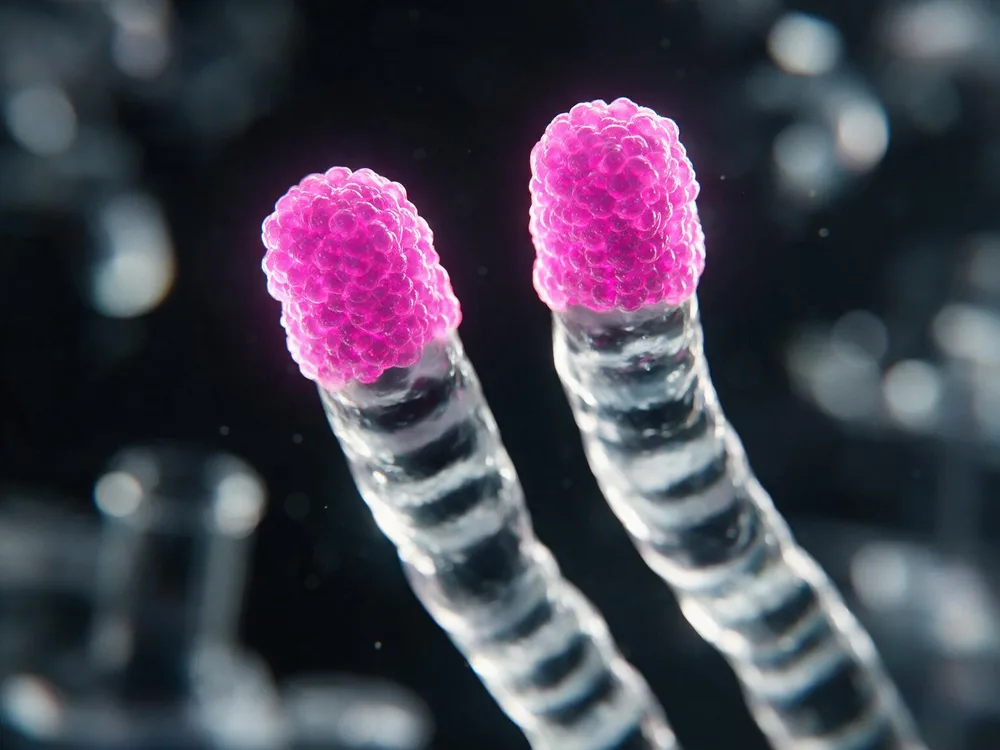
Baseline, then annuallyThe protective caps on your chromosomes, which shorten as cells divide over a lifetime.
A cellular-ageing signal that moves slowly. Read alongside your epigenetic and functional results rather than on its own, and treated as research: measurement varies between methods and its use in an individual is not settled.[1]

Longevity testing
Baseline, then twice yearlyMaximal oxygen uptake and functional capacity, measured on a treadmill or bike in a breath analyser rather than estimated from a wearable.
Among the best-evidenced predictors of all-cause mortality, and one of the most trainable. If a plan is working, this is usually where it shows first.[2]

Biological ageResearch stage
Baseline, then annuallyA composite age estimate built from your blood chemistry and epigenetic markers, expressed against your chronological age.
One number you can hold in your head, and the one most people use to decide whether to keep going. It moves, which is the point of measuring it again. It is a composite we build from research-stage inputs, and we say so rather than sell it as a diagnosis.[1]

Cancer screening
By age and risk profileAge- and risk-appropriate screening, coordinated with your physician and referred to specialist imaging or pathology where indicated.
Screening shifts the odds toward finding something early, when there are more options. No screen catches everything, and any clinic that suggests otherwise is overselling.

Physical longevity
Baseline, then quarterlyStrength, grip, gait, balance and body composition, measured with BIA technology rather than BMI.
Independence later in life is a function of muscle and movement rather than weight. These are the measures that predict whether you can still carry your own bag at eighty.

Posture and movement
Baseline, then as neededA physiotherapist-led screen of posture, joint range and movement quality under load.
Training you cannot do safely is training that will not happen. This is what decides how your programme is written, and what stops an old injury from setting the ceiling.
biomarkers. Zero guesswork.
Every result interpreted against your own history rather than just population norms. Tracked over years rather than snapshots.
- Heart & lipidsTotal Cholesterol, Triglycerides, HDL-C11
- Metabolic & blood sugarFasting Glucose, HbA1c, Est. Avg Glucose8
- Inflammation & immuneWhite Blood Cells, Red Blood Cells, Haemoglobin20
- LiverAST, ALT, ALP10
- KidneyCreatinine, Blood Urea Nitrogen, eGFR7
- Electrolytes & mineralsSodium, Potassium, Chloride6
- ThyroidTSH, Free T4, Free T34
- HormonesTotal Testosterone, SHBG, Free Testosterone8
- Vitamins & nutrientsVitamin D (25-OH), Vitamin B12, Ferritin6
- UrinalysisColour, Appearance, Specific Gravity15
- Physical biomarkersGrip Strength (dominant), Grip Strength (left), Waist Circumference10
- Clinical risk scoresCardiovascular risk, Metabolic syndrome, Liver fibrosis (FIB-4)4
- 100+ markers, twelve systems
Blood Biomarkers
Every marker on the panel, grouped by system, and what each one predicts.
- Eleven tests, four domains
Physical Biomarkers
VO₂, strength, composition and movement. What each test measures, and how they combine.
- Six ways in, side by side
Pathways
A day, a month, or a year under supervision. What each includes, and what it costs.
- The cadence, and who runs it
Membership
A physician review every month, re-measurement every quarter, one record your whole team reads.
About the tests.
Preparation, timing, and which ones you actually need.
References
- 1.Biomarkers of Aging Consortium (2024). Challenges and recommendations for the translation of biomarkers of aging. Nature Aging. PMID:39285015
- 2.Kodama, S., et al. (2009). Cardiorespiratory fitness as a quantitative predictor of all-cause mortality and cardiovascular events in healthy men and women: a meta-analysis. JAMA. PMID:19454641
The method only works from a measurement.
Everything above starts at the same place: one visit that maps where you actually are. What follows is decided by what that visit finds.
Bangkok · in person or virtual · we reply within one business day